When you walk into a workshop, a garage, or even a small factory, you will often see air compressors. These machines are everywhere, but not all air compressors are the same. One of the most important differences is how they compress air: with 1 phase or 2 phase systems. Understanding these two types is essential if you want the right tool for your work. Many people confuse these options or buy the wrong one, wasting time and money. If you want reliable, efficient, and long-lasting compressed air for your tools, you need to know the difference—and that’s what you’ll learn here.
What Is A 1 Phase Air Compressor?
A 1 phase air compressor is also called a single-stage compressor. It compresses air in one step. The air is pulled into a cylinder and compressed to its final pressure in a single movement of the piston. After compression, the air is sent directly to the storage tank or out to your tools.
These compressors are popular for small workshops, home garages, and light-duty industrial jobs. They are simple, easy to use, and often less expensive than two-phase models.
How Does A 1 Phase Compressor Work?
- The piston moves down and draws air into the cylinder through a valve.
- The piston moves up, compresses the air, and pushes it into the tank.
- The air is now ready for use.
One-phase compressors usually work at pressures up to 120 psi (pounds per square inch).
Advantages Of 1 Phase Air Compressors
- Simple Design: Fewer moving parts mean less can go wrong.
- Lower Cost: Usually cheaper to buy and maintain.
- Easy to Move: Most are light and portable.
- Low Maintenance: Basic cleaning and oiling keep them running.
Common Uses
- Inflating tires
- Powering nail guns and small spray guns
- Light drilling and sanding
What Is A 2 Phase Air Compressor?
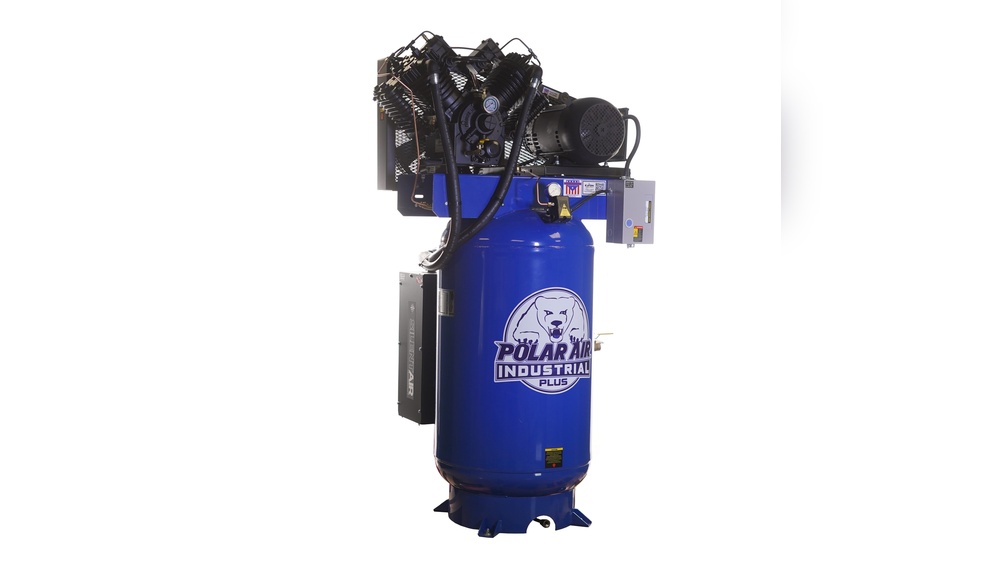
A 2 phase air compressor (also called a two-stage compressor) compresses air in two steps. First, air is drawn in and partially compressed. Then, it passes through a cooling system before being compressed again to a much higher pressure.
This type is found in larger workshops, manufacturing plants, and anywhere that needs a lot of power or long, heavy use.
How Does A 2 Phase Compressor Work?
- The piston draws in air and compresses it to an intermediate pressure (usually around 80 psi).
- The air then passes through an intercooler to cool it down. This cooling makes the next compression step more efficient.
- In the second cylinder, the air is compressed again to a higher pressure (often 175 psi or more).
- The compressed air is stored or used.
Advantages Of 2 Phase Air Compressors
- Higher Pressure: Can deliver air at much higher pressures.
- More Efficient: Uses less energy for the same output when running tools for a long time.
- Better for Continuous Use: Handles long jobs without overheating.
- Longer Lifespan: Designed for heavy-duty work.
Common Uses
- Operating industrial machines
- Sandblasting
- Large-scale painting
- Running multiple air tools at the same time

Credit: eatoncompressor.com
Key Differences Between 1 Phase And 2 Phase Air Compressors
To help you see the differences clearly, here’s a head-to-head comparison:
| Feature | 1 Phase | 2 Phase |
|---|---|---|
| Number of Compression Steps | One | Two |
| Typical Max Pressure | 120 psi | 175 psi or more |
| Cooling Between Steps | No | Yes (intercooler) |
| Price | Lower | Higher |
| Common Uses | Light-duty, home/DIY | Heavy-duty, industrial |
| Maintenance | Easy | More complex |
| Efficiency | Lower | Higher |
How To Choose: 1 Phase Vs 2 Phase Air Compressor
Selecting the right compressor depends on your needs, budget, and future plans. Here’s what you should consider:
1. Required Pressure
- Light tools (nail guns, inflators, small spray guns) usually need less than 100 psi. A 1 phase compressor is enough.
- Industrial tools (wrenches, sandblasters, paint sprayers) often need 150 psi or more. Go for a 2 phase model.
2. Air Volume
The CFM (Cubic Feet per Minute) rating tells you how much air the compressor can deliver. If you use many tools at once or tools that run for a long time, you need a higher CFM. Two-phase compressors usually offer more CFM.
3. Work Duration
- For short, simple tasks, a one-phase compressor works well.
- For long, continuous jobs, a two-phase compressor is better. It runs cooler and lasts longer.
4. Budget
- 1 phase compressors are cheaper and cost less to fix.
- 2 phase models cost more but can save money in the long term if you work a lot.
5. Portability
- Need to move the compressor around? Most one-phase models are lighter and easy to carry.
- Two-phase compressors are heavier and usually stay in one place.
6. Future Growth
Many buyers forget this point. If you plan to expand your workshop or take on bigger projects soon, investing in a two-phase compressor now could save money later.
Real-world Example: Choosing For A Small Auto Shop
Imagine you run a small auto repair shop. You use air tools for tire changes, spray painting, and sanding. At first, a one-phase compressor might seem fine. But after a few months, you start using more tools and working longer hours.
The one-phase compressor overheats and cannot keep up.
A two-phase compressor, while more expensive at the start, would handle the load easily. It would last longer and work more efficiently. Many auto shop owners make this mistake—saving a little now but losing time and money later.
Performance And Efficiency Comparison
Let’s look at performance and energy use in more detail.
| Compressor Type | Energy Efficiency | Duty Cycle | Noise Level |
|---|---|---|---|
| 1 Phase | Lower | Short/Medium | Usually Quieter |
| 2 Phase | Higher | Long/Continuous | Louder |
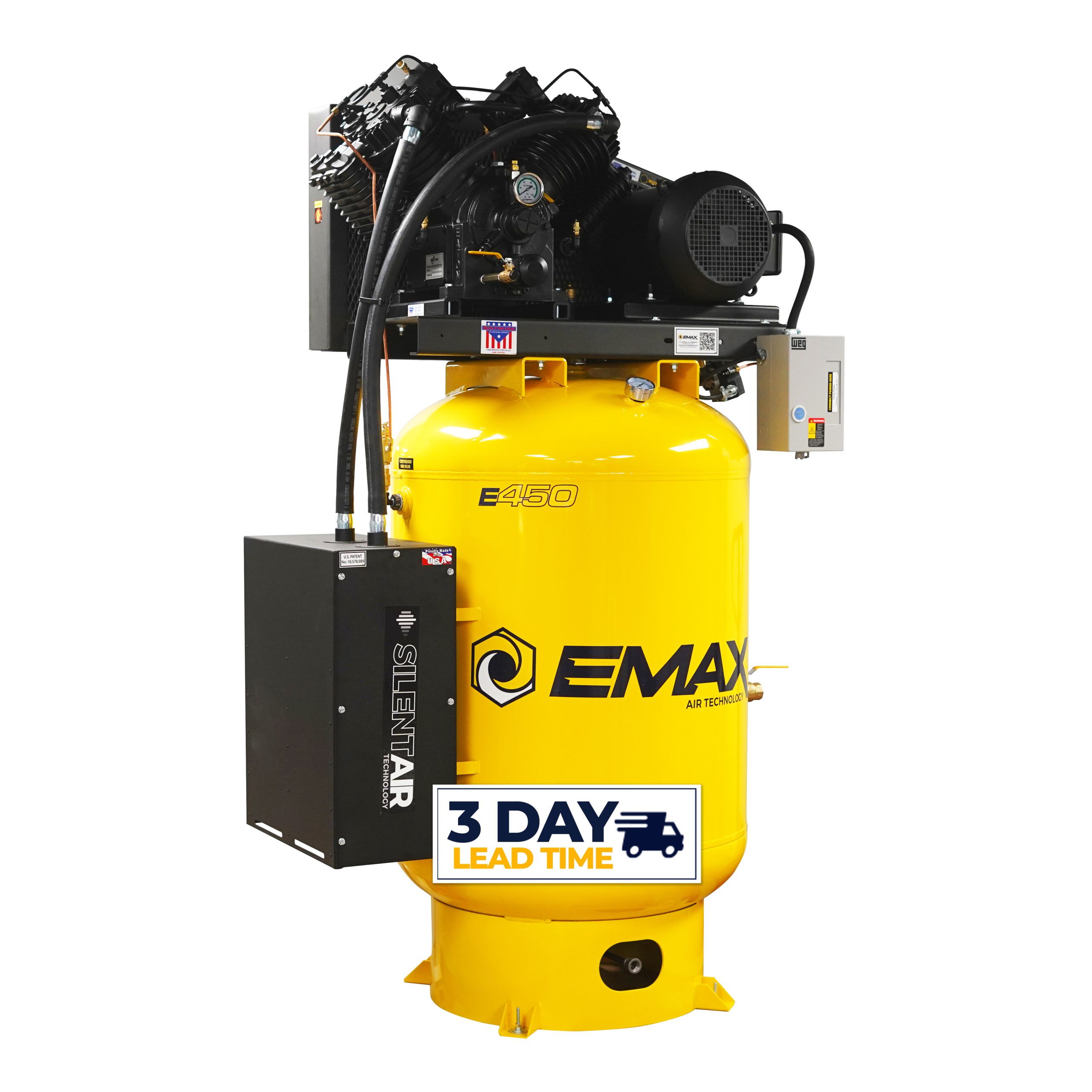
Duty cycle means how long the compressor can run without stopping. Two-phase compressors often have a 100% duty cycle (they can run all day), while one-phase models might only run 50–60% of the time before needing a break.
Credit: emaxcompressor.com
Common Mistakes When Choosing
Even experienced buyers sometimes get it wrong. Here are two non-obvious mistakes:
- Ignoring Actual Tool Needs: People often buy based on price, not what their tools need. Always check the CFM and pressure your main tool uses, then add 30% for safety.
- Overlooking Electric Supply: Some workshops only have standard household electricity (120V). Many large two-phase compressors need 240V or three-phase power. Check your power supply before buying.
Maintenance And Longevity
A big reason people choose one-phase compressors is easy maintenance. Most just need oil checks, filter cleaning, and draining water from the tank. Two-phase models, however, have more parts and need more care—like checking the intercooler and both cylinders.
But, two-phase compressors are built to last. If maintained well, they can run for 10–15 years in a busy workshop, while one-phase models may need replacing after 5–7 years with heavy use.
Noise And Size Comparison
Noise is often overlooked, but it matters in small shops or home garages. One-phase compressors are usually quieter because they are smaller and have less powerful motors. Two-phase models, on the other hand, can be loud. Consider this if you work in a shared or noise-sensitive area.
Size is another factor. Two-phase compressors often need permanent installation. Make sure you have enough space.
Price Range And Value
Prices vary by brand, size, and features, but here’s a rough guide:
- 1 Phase: $150–$800 (small to mid-size)
- 2 Phase: $700–$3000+ (mid to large size)
Remember, a higher price up front may save you on repairs, energy, and lost work time later.
Safety Factors
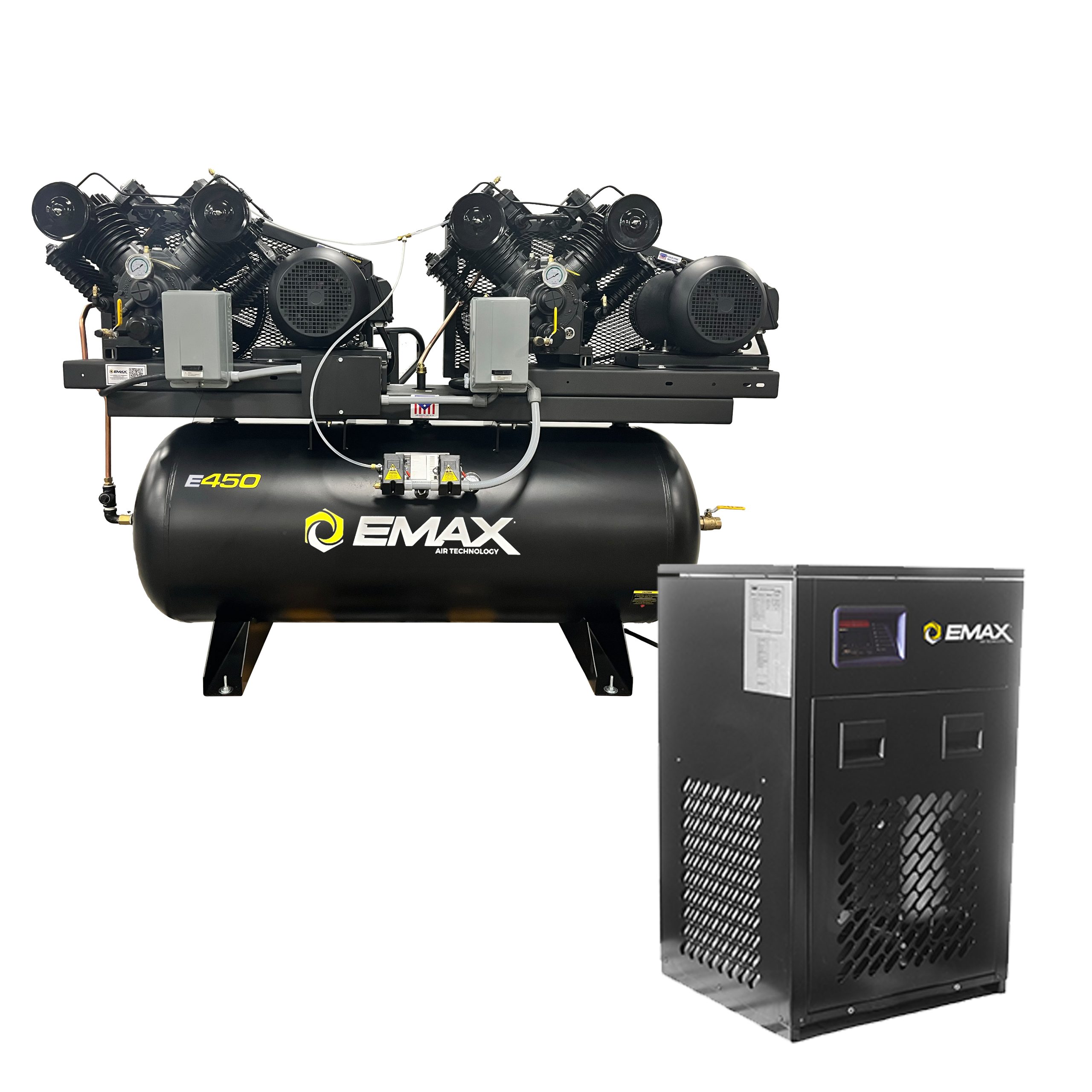
All compressors need safety features like pressure relief valves and automatic shutoff. Two-phase models often include advanced safety systems because of the higher pressures involved. Never remove or bypass these systems.
Practical Tips For Buyers
- Make a list of all tools and machines you plan to use.
- Check each tool’s CFM and psi needs.
- Add up the total air requirement and add 30% for future needs.
- Check your electrical supply and space.
- Read reviews and talk to other users in your industry.
Credit: emaxcompressor.com
When To Upgrade From 1 Phase To 2 Phase
If your current compressor can’t keep up or overheats, it’s time to upgrade. Other signs include:
- Tools running weak or stopping
- Compressor running all the time without reaching set pressure
- Frequent repairs or high energy bills
Upgrading can feel expensive, but the extra power and reliability are worth it.
Environmental Impact
Two-phase compressors are more efficient. This means lower energy use for the same amount of work. Over several years, this can reduce your electricity bill and carbon footprint. If your business cares about being green, this is a plus.
For more details on air compressor types and uses, you can visit the Wikipedia page on air compressors.
Frequently Asked Questions
What Is The Main Difference Between A 1 Phase And 2 Phase Air Compressor?
A 1 phase air compressor compresses air in one step and is suitable for light-duty tasks. A 2 phase air compressor compresses air in two steps, allowing for higher pressure and better efficiency, perfect for heavy-duty or industrial use.
Can I Use A 1 Phase Compressor For Industrial Work?
Generally, no. One-phase compressors are not designed for heavy, continuous use. They may overheat, wear out faster, and fail to deliver the air volume and pressure industrial tools require.
Is A 2 Phase Compressor Always Better?
Not always. If you only need to do small jobs or use one tool at a time, a two-phase compressor is more expensive and may be overkill. Choose based on your actual needs.
How Do I Know Which Compressor My Tools Need?
Check each tool’s CFM and psi requirements (usually on the tool’s label or manual). Make sure your compressor can provide more than the highest required CFM at the right pressure.
Do 2 Phase Compressors Need More Maintenance?
Yes, they have more parts and higher pressure systems, so they need regular checks and service. However, with good care, they can last many years and are very reliable.
Choosing between a 1 phase and 2 phase air compressor is not just about price. Think about your current needs, future plans, and how much you use your tools. With this knowledge, you can avoid common mistakes and get the best performance and value for your money.