Choosing the right air compressor can be confusing, especially when you come across terms like “oil free” and “oil.” You might wonder which type fits your needs best, saves you money, and lasts longer.
Whether you’re working on a DIY project or running a business, understanding the difference between oil free and oil air compressors will help you make a smarter choice. Keep reading, and you’ll discover what sets them apart and which one suits your tasks perfectly.
Your next purchase could be much easier than you think.

Credit: www.youtube.com
Types Of Air Compressors
Air compressors come in two main types: oil-free and oil-lubricated. Each type serves different needs and has unique features. Choosing the right one depends on the job and environment. Understanding the differences helps in making a smart choice.
Features Of Oil-free Compressors
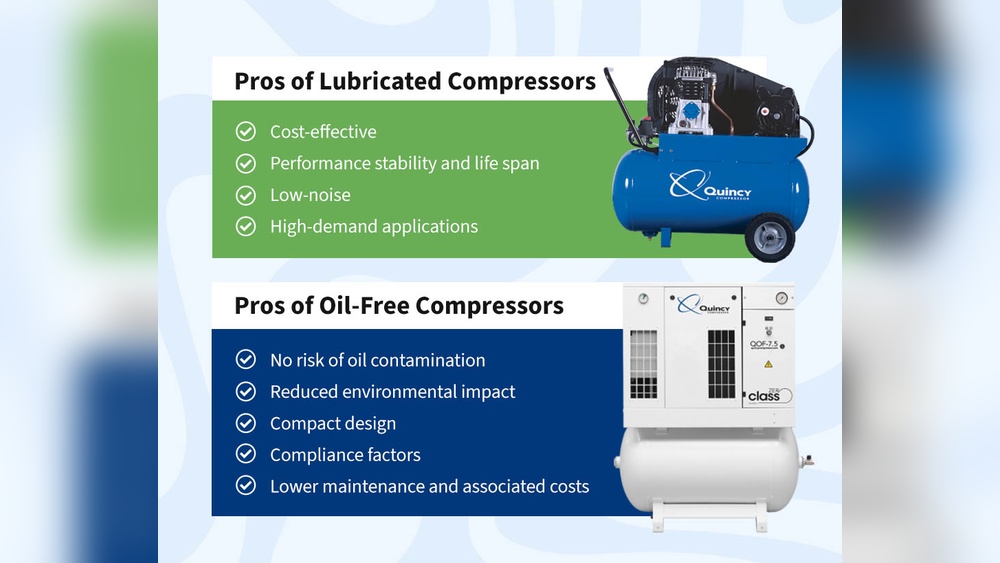
Oil-free compressors do not use oil for lubrication. This means less maintenance and cleaner air output. They are lighter and easier to carry. Perfect for indoor use and sensitive equipment. They run cooler and produce less noise. Ideal for small projects or where air purity matters.
Features Of Oil-lubricated Compressors
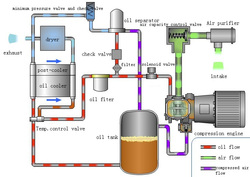
Oil-lubricated compressors use oil to reduce friction and wear. They last longer and handle heavy-duty tasks well. These compressors can work for hours without overheating. They are usually louder and heavier. Require regular oil changes and more maintenance. Best for industrial use and large projects.
Credit: aircompressorpro.weebly.com
Efficiency Factors
Efficiency depends on how compressors handle friction and heat. Oil-free compressors reduce maintenance but may run hotter. Oil compressors offer smoother operation with better cooling but need regular oil changes.
Efficiency plays a key role in choosing between oil free and oil air compressors. It affects cost, performance, and reliability. Understanding how these compressors use energy, their upkeep needs, and lifespan helps in making a smart choice.
Energy Consumption
Oil free compressors usually consume less energy. They have fewer moving parts and less friction. This means they run cooler and use power more effectively. Oil compressors may use more energy due to the extra work of pumping oil. Energy savings add up over time, cutting operating costs.
Maintenance Requirements
Oil free compressors need less maintenance. No oil changes or filter replacements are required. This lowers downtime and repair costs. Oil compressors require regular oil checks and changes. Skipping maintenance can cause damage and reduce efficiency. Easy maintenance means less hassle and better uptime.
Operational Lifespan
Oil compressors tend to last longer if maintained well. Oil helps protect parts from wear and tear. Oil free compressors have a shorter lifespan but are ideal for clean environments. Choosing the right compressor depends on your use and care ability. Lifespan affects how often you replace or repair machines.
Performance In Different Applications
Performance varies greatly between oil free and oil air compressors. Each type fits certain tasks better. Knowing their strengths helps pick the right one.
Use In Medical And Food Industries
Oil free compressors are the top choice for medical and food uses. They keep air clean without oil contamination. This is crucial for patient safety and food purity. These compressors produce dry, pure air needed in hospitals and food factories. They also need less maintenance, reducing downtime. Their quiet operation suits sensitive environments well.
Industrial And Heavy-duty Uses
Oil air compressors excel in heavy-duty industrial jobs. They handle high pressure and long hours easily. These compressors last longer under tough conditions. Oil lubrication reduces wear and heat. This makes them ideal for factories and construction sites. They can power large tools and machines without failing. Regular oil changes keep them working smoothly.
Cost Implications
Cost is a key factor when choosing between oil free and oil air compressors. Understanding both upfront and ongoing expenses helps make a better decision. Each type has unique cost patterns that affect your budget differently.
Initial Investment
Oil free air compressors usually cost more at the start. Their design requires special materials and technology. Oil compressors tend to have a lower initial price. This makes them attractive for smaller budgets.
Choosing an oil free model means paying more upfront. This cost covers cleaner air output and less maintenance. Oil compressors may save money initially but need more care later.
Long-term Operating Costs
Oil free compressors often save money over time. They need less maintenance and no oil changes. This reduces service expenses and downtime. Oil compressors require regular oil checks and replacements. These add to yearly costs.
Energy use also differs. Oil free models can be more energy efficient. This lowers electricity bills in the long run. Oil compressors might use more power, increasing operating costs.
Environmental Impact
The environmental impact of air compressors is important to consider. These machines are widely used in many industries and homes. Their design affects the environment in several ways. Choosing the right type can reduce harm to nature. Both oil-free and oil-lubricated air compressors have different effects on the environment. Understanding these differences helps make better choices for green living.
Emissions And Pollution
Oil-lubricated compressors can leak oil into the air or soil. This oil contamination can harm plants and animals. They also release small amounts of harmful gases during operation. Oil-free compressors avoid this problem. They do not use oil inside the machine, so no oil leaks occur. This design reduces pollution risks and keeps the environment cleaner. Using oil-free compressors lowers the chance of toxic spills.
Noise Levels
Noise pollution affects both people and wildlife. Oil-lubricated compressors usually run quieter due to oil reducing friction. However, some models can still be loud. Oil-free compressors often produce more noise because they lack oil cushioning. High noise levels can disturb nearby communities and animals. Choosing compressors with noise reduction features helps protect hearing and peace. Regular maintenance also keeps noise levels low.
Credit: mirai-intex.com
Choosing The Right Compressor
Choosing the right air compressor can save time and money. It also helps you get the best results. Oil-free and oil-lubricated compressors serve different purposes. Knowing their differences helps you pick the right one.
Consider the type of work you plan to do. Think about how often you will use the compressor. These points guide you to the best choice for your needs.
Matching Compressor To Application
Oil-free compressors suit clean environments. They work well in food, medical, and electronics areas. These compressors keep air pure and avoid oil contamination.
Oil-lubricated compressors are strong and last longer. They handle heavy tasks like construction and automotive work. These compressors need regular oil checks and changes.
Evaluating Efficiency Needs
Oil-lubricated compressors often use less energy. They run cooler and last longer under heavy use. This saves money on electricity and repairs.
Oil-free compressors require less upkeep. They are lighter and quieter. Good for short tasks or small jobs with clean air needs.
Frequently Asked Questions
What Is The Main Difference Between Oil Free And Oil Air Compressors?
Oil free compressors use no oil for lubrication, offering clean air output. Oil compressors use oil to lubricate parts, ensuring durability but requiring maintenance.
Which Air Compressor Is Better For Indoor Use?
Oil free compressors are ideal for indoor use. They produce clean, oil-free air and require less maintenance, making them suitable for sensitive environments.
Are Oil Free Compressors More Expensive Than Oil Compressors?
Oil free compressors generally cost more upfront due to advanced technology. However, they save money long-term by reducing maintenance and oil replacement expenses.
How Does Maintenance Differ Between Oil Free And Oil Compressors?
Oil free compressors need less maintenance since they have fewer moving parts and no oil changes. Oil compressors require regular oil checks and replacements.
Conclusion
Choosing between oil free and oil air compressors depends on your needs. Oil free models need less care and stay cleaner. Oil compressors last longer and handle tough jobs well. Think about where and how you will use the compressor.
Noise level, cost, and maintenance matter too. Both types have their strengths and limits. Pick the one that fits your work best. This way, you get the most value and performance.