When it comes to choosing the right air compressor for your needs, the decision can feel overwhelming. You might be asking yourself: Should I go with a rotary screw or a reciprocating air compressor?
Each type has its own strengths and weaknesses that can impact your work, efficiency, and costs. Knowing the key differences will help you pick the best option for your specific tasks. Keep reading, and you’ll discover exactly how these compressors work, which one suits your needs, and why making the right choice matters more than you think.
This knowledge could save you time, money, and frustration down the line.
Credit: www.vmacair.com
Rotary Screw Air Compressor
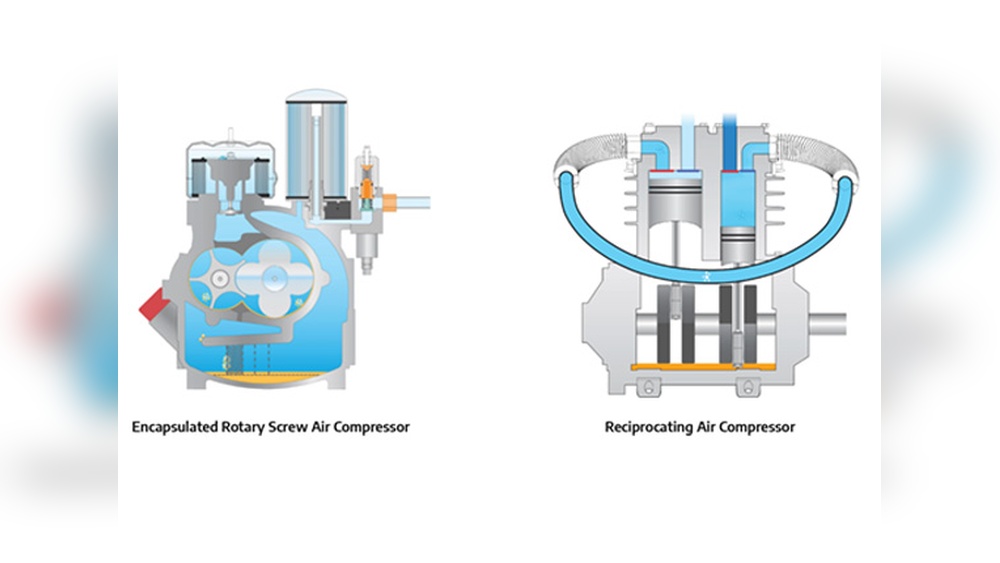
The rotary screw air compressor is a popular choice for many industries. It offers a steady flow of compressed air. This type of compressor uses two helical screws to compress air efficiently. It runs smoothly and requires less maintenance than other compressors.
How It Works
Two screws turn in opposite directions inside a casing. Air gets trapped between the screw threads. As the screws rotate, the air is compressed and pushed out. This process creates a continuous stream of compressed air. The system runs without many pulses or stops.
Key Features
- Continuous air delivery with steady pressure
- Low noise and vibration levels
- Oil-injected or oil-free options available
- Compact design saving space
- Energy-efficient motor systems
Common Applications
Rotary screw compressors are used in factories and workshops. They power pneumatic tools and machines. They work well in automotive repair shops and manufacturing plants. These compressors also serve in food packaging and textile industries. Anywhere reliable, constant air is needed, they fit perfectly.
Advantages
- Runs smoothly with less wear and tear
- Requires less maintenance than piston compressors
- Delivers a constant air flow for steady operation
- Consumes less energy for long-term savings
- Operates quietly, creating a better work environment
Reciprocating Air Compressor
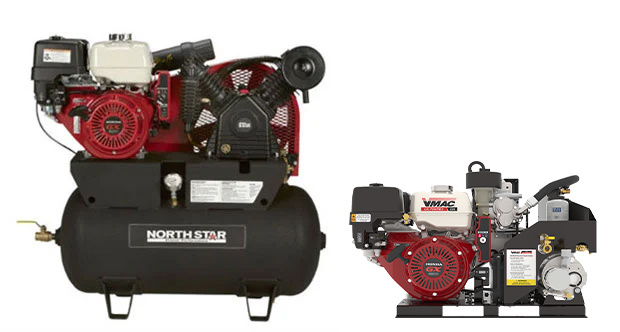
The reciprocating air compressor is a popular choice for many industries. It uses a piston to compress air in a cylinder. This type of compressor is known for its simplicity and reliability. It works well for tasks that need high pressure in short bursts. The design is easy to maintain and repair. It is a good fit for small to medium-sized jobs.
How It Works
The piston moves up and down inside a cylinder. When the piston moves down, air enters the cylinder through a valve. When the piston moves up, it compresses the air. The compressed air leaves the cylinder through another valve. This cycle repeats to keep a steady flow of air. The machine runs on electric or gas power.
Key Features
- Uses piston and cylinder to compress air
- Can produce high pressure
- Simple mechanical parts
- Requires regular oil lubrication
- Available in single or multiple cylinders
- Operates with electric or gas motors
Common Applications
Reciprocating compressors are used in many fields. They power tools in workshops and garages. They help in automotive repair and maintenance. They serve in small manufacturing plants. They provide air for spray painting and cleaning. They are useful where portable and reliable air supply is needed.
Advantages
- Simple design makes it easy to fix
- Can reach very high pressures
- Works well for intermittent use
- Lower initial cost than some other compressors
- Compact and easy to move
Performance Comparison
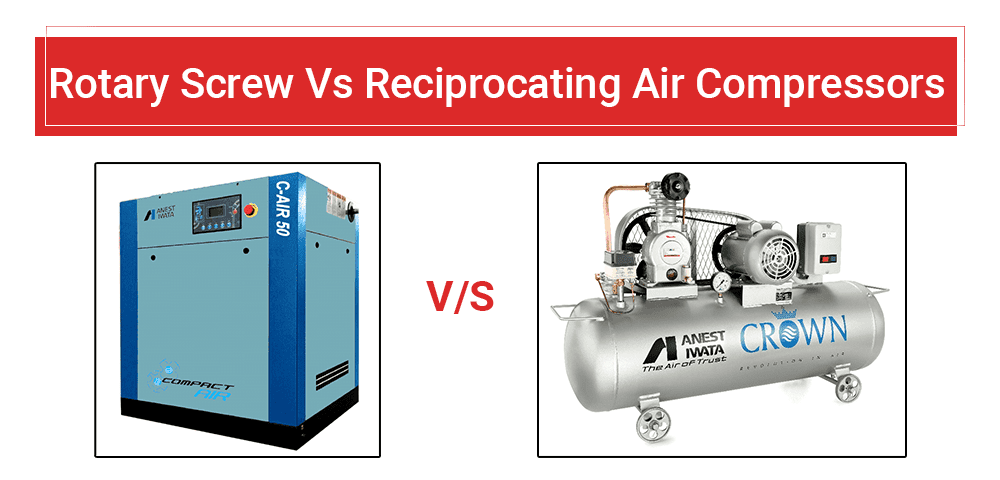
Comparing the performance of rotary screw and reciprocating air compressors helps choose the right one. Both types serve different needs and work best in certain situations. Understanding how they perform in key areas reveals their strengths and limits.
Efficiency
Rotary screw compressors run continuously and deliver steady airflow. They use less energy for the same amount of air compared to reciprocating compressors. Reciprocating compressors work in cycles and can waste energy when starting and stopping. For long use, rotary screw machines save more power.
Power Output
Rotary screw compressors provide a smooth, high volume of air. They suit large tasks needing constant air supply. Reciprocating compressors create high pressure in short bursts. They work well for smaller jobs or places with low air demand.
Noise Levels
Rotary screw compressors operate quietly due to their design. They produce less noise, making them good for indoor or sensitive areas. Reciprocating compressors are louder because of their piston motion. Noise can be a concern in offices or workshops.
Maintenance Needs
Rotary screw compressors have fewer moving parts and last longer with less care. They need regular oil changes and filter cleaning. Reciprocating compressors require more frequent checks and part replacements. Their many moving parts wear out faster and need more attention.
Credit: www.bimpexindia.com
Cost Factors
Cost plays a big role in choosing between rotary screw and reciprocating air compressors. Understanding different cost factors helps make the right choice for your needs. This section breaks down key costs to consider.
Initial Investment
Rotary screw compressors usually cost more upfront. Their design and parts are more complex. Reciprocating compressors have a lower purchase price. They are simpler and smaller machines. The size and capacity needed affect the initial cost for both types.
Operating Costs
Rotary screw compressors use less energy during work. They run smoothly and for longer times. This reduces electricity bills. Reciprocating compressors use more power, especially under heavy use. Their start-and-stop cycles consume extra energy. Energy efficiency is important for long-term savings.
Repair Expenses
Rotary screw compressors have fewer moving parts. This means fewer breakdowns and less repair work. When repairs are needed, parts can be costly. Reciprocating compressors need more frequent maintenance. Their many moving parts wear out faster. Repair costs can add up over time.
Choosing The Right Compressor
Choosing the right air compressor is important for efficiency and cost. Each type serves different purposes. Understanding your needs helps make the best choice. Focus on the main factors before deciding.
Industrial Needs
Consider the type of work you will do. Rotary screw compressors handle continuous, heavy-duty tasks well. Reciprocating compressors suit smaller, intermittent jobs. Match the compressor to the workload for best results.
Space Considerations
Space can limit your options. Rotary screw compressors are usually larger. Reciprocating compressors take less space and fit smaller areas. Measure your available space before choosing a compressor.
Budget Constraints
Cost is a key factor. Rotary screw compressors cost more upfront but use less energy. Reciprocating compressors have lower initial costs but can use more power. Balance your budget with long-term savings.

Credit: lewissystemsinc.com
Frequently Asked Questions
What Are The Main Differences Between Rotary Screw And Reciprocating Compressors?
Rotary screw compressors use two meshing screws to compress air continuously. Reciprocating compressors use pistons and cylinders to compress air in cycles. Rotary screw models are better for continuous, high-volume air needs. Reciprocating types suit intermittent, lower volume applications with higher pressure demands.
Which Compressor Type Is More Energy Efficient?
Rotary screw compressors are generally more energy efficient for continuous use. They maintain consistent airflow and operate at variable speeds. Reciprocating compressors consume more power during start-stop cycles. Thus, rotary screw models save energy in long, uninterrupted operations.
When Should I Choose A Reciprocating Air Compressor?
Choose reciprocating compressors for low to medium air demands. They work well in workshops or small industries needing high pressure intermittently. They are cost-effective for short, occasional use and easier to maintain than rotary screw compressors.
Are Rotary Screw Compressors Better For Industrial Use?
Yes, rotary screw compressors excel in industrial settings. They provide stable, high-volume air continuously with less noise and vibration. Their durability suits heavy-duty applications, making them ideal for manufacturing plants and large-scale operations.
Conclusion
Choosing between rotary screw and reciprocating compressors depends on your needs. Rotary screw compressors work best for continuous, large-scale use. Reciprocating compressors suit smaller jobs and lower budgets. Both have strengths and weaknesses. Think about energy use, noise, and maintenance.
The right choice saves money and boosts efficiency. Consider your work environment and air demand carefully. This helps pick the best compressor for your tasks. Simple decisions now prevent costly problems later. Choose wisely and keep your projects running smoothly.