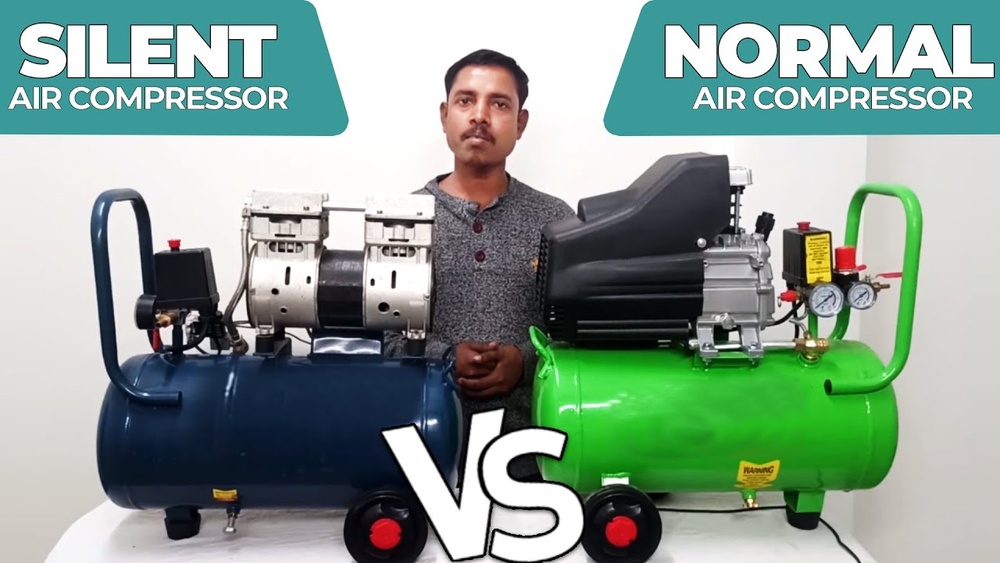
Are you tired of noisy air compressors disrupting your work or home environment? Choosing the right air compressor can make a huge difference in your comfort and productivity.
But how do you decide between a silent air compressor and a normal one? This article will help you understand the key differences, so you can pick the best option for your needs. Keep reading to discover which compressor suits your space, your budget, and your peace of mind.

Credit: www.youtube.com
Noise Levels Compared
Noise levels play a big role in choosing an air compressor. Loud machines can disturb workers and affect productivity. Silent air compressors offer a quieter alternative. Comparing noise levels helps decide the right fit for your needs.
Decibel Ratings Explained
Decibel (dB) measures how loud a sound is. Normal air compressors often run between 70 to 90 dB. This is roughly as loud as a vacuum cleaner or lawn mower. Silent air compressors usually operate under 60 dB. This is about the noise level of a quiet conversation. Lower dB means less noise and less disturbance.
Impact On Work Environment
Loud compressors can cause stress and reduce focus. Noise can harm hearing over time without protection. A noisy workspace may require extra safety gear. Silent compressors create a calmer environment. They help workers concentrate and reduce fatigue. This can improve overall job satisfaction and output.
Noise Reduction Technologies
Silent compressors use special designs to cut noise. Soundproofing materials absorb vibrations and noise. Advanced motors run smoother and quieter. Some models have enclosed casings to block sound. These features make silent compressors ideal for offices and homes. They reduce noise without losing power or efficiency.

Credit: www.ebay.com
Energy Efficiency
Energy efficiency is a key factor when choosing an air compressor. It affects how much power the machine uses and the cost of running it. Silent air compressors and normal air compressors differ in how they use energy. Understanding these differences helps you pick the right one for your needs.
Energy-efficient machines save money and reduce waste. They also help protect the environment by using less electricity. Let’s explore how silent and normal air compressors compare in energy use.
Power Consumption Differences
Silent air compressors often use modern motors that consume less power. They run smoothly and avoid energy loss from vibrations. Normal compressors may use older motors that waste more electricity. Silent models also have better insulation, reducing energy needed to operate.
Cost Savings Over Time
Lower power use means smaller electricity bills. Silent compressors might cost more upfront but save money later. Normal compressors may be cheaper at first but cost more to run. Over months or years, silent models reduce overall expenses.
Environmental Impact
Using less electricity means fewer emissions from power plants. Silent compressors help lower your carbon footprint. Normal compressors often use more energy, increasing pollution. Choosing energy-efficient machines supports a cleaner environment.
Performance And Durability
Performance and durability are key factors when choosing between silent air compressors and normal ones. These qualities affect how well the compressor works and how long it lasts. Understanding these differences helps in selecting the right tool for your needs.
Pressure Output And Consistency
Silent air compressors provide steady pressure with less noise. They keep the pressure stable during use. Normal compressors may have pressure fluctuations. This can affect tasks that need constant power. Silent models suit jobs needing quiet and smooth operation. Normal types may deliver strong bursts but vary more.
Maintenance Requirements
Silent air compressors usually need less maintenance. Their design reduces wear and tear. They have fewer moving parts exposed to dust and dirt. Normal compressors often require more frequent checks. Parts like belts and filters may need regular replacement. Quiet compressors save time and effort in upkeep.
Lifespan Expectations
Silent air compressors tend to last longer. Their parts run cooler and experience less stress. This helps prevent early breakdowns. Normal compressors can wear out faster with heavy use. Frequent repairs might be necessary. Choosing a silent compressor can mean fewer replacements over time.
Applications And Suitability
Choosing between silent air compressors and normal ones depends on where and how they are used. Each type fits specific needs better. Understanding their applications helps pick the right compressor for the job. This section explains when to use silent compressors and when normal ones work best. It also highlights which industries prefer each type.
Ideal Use Cases For Silent Compressors
Silent compressors work well in places where noise must be low. Offices, hospitals, and schools benefit from quieter machines. They keep the environment calm and avoid disturbing people. Small workshops or home garages also suit silent compressors. They provide enough power without loud noise. These compressors are best for light to medium tasks.
When To Choose Normal Compressors
Normal compressors fit heavy-duty tasks needing more power. Construction sites and large factories often use them. They handle long hours and hard work without issues. Noise is less important in open or noisy areas. These compressors usually cost less and are easier to maintain. Use them for high-pressure jobs or continuous use.
Industry Preferences
Healthcare and electronics industries prefer silent compressors. Quiet machines protect sensitive equipment and patients. Automotive and manufacturing industries lean toward normal compressors. They need strong, reliable air for tools and machines. Food processing plants may use both types. It depends on the production area and noise rules.
Price And Investment
Choosing between a silent air compressor and a normal one often starts with price. Understanding the cost differences helps make a smart investment. Price includes more than just the buying cost. It covers long-term savings and support services.
Initial Cost Comparison
Silent air compressors usually cost more at first. They use advanced parts to reduce noise. Normal compressors have a lower upfront price. This makes them easier to buy for small budgets. The cost gap varies by brand and size.
Long-term Value
Silent compressors save money over time. Their quiet operation means less wear and tear. They need fewer repairs and last longer. Normal compressors can be louder and may break more often. Energy use also matters. Silent models often run more efficiently.
Warranty And Support
Warranty terms can differ between the two types. Silent compressors may offer longer warranties. This covers parts and service for several years. Normal compressors usually have shorter warranties. Good support helps reduce maintenance costs. Check what each brand includes before buying.

Credit: www.homedepot.ca
Frequently Asked Questions
What Is The Main Difference Between Silent And Normal Compressors?
Silent compressors operate with noise-reducing technology, producing less sound. Normal compressors usually generate higher noise during operation, affecting comfort and workspace.
Are Silent Air Compressors More Energy-efficient Than Normal Ones?
Yes, silent compressors often use advanced motors that consume less energy. Normal compressors may use more power due to older, less efficient designs.
Which Compressor Type Is Better For Home Use?
Silent compressors are ideal for home use due to low noise levels. Normal compressors may be too loud and disruptive in residential settings.
How Does Maintenance Compare Between Silent And Normal Compressors?
Silent compressors generally require less frequent maintenance because of better components. Normal compressors might need more upkeep due to louder, more stressed parts.
Conclusion
Choosing between a silent air compressor and a normal one depends on your needs. Silent compressors offer quiet operation, ideal for noise-sensitive places. Normal compressors usually cost less but can be loud. Think about where you will use it and how often.
Quiet machines help keep peace at work or home. Both types do the job of powering tools well. Weigh the noise level against your budget and space. This helps you pick the best compressor for your tasks. Simple and clear choices lead to better results.