Have you ever wondered how a portable air compressor powers up your tools or inflates your tires so quickly? Understanding how this handy device works can save you time and frustration the next time you need a quick boost of air.
You’ll discover the simple mechanics behind a portable air compressor and why it’s such a useful tool for your home, car, or job site. Keep reading, and you’ll learn everything you need to know to get the most out of your compressor—no technical jargon, just clear and easy explanations.
Portable Air Compressor Basics
Understanding the basics of a portable air compressor helps you see how it works. This tool stores air under pressure for many uses. It is small enough to carry but powerful enough for tasks. Knowing its parts, types, and uses makes it easier to pick the right one.
Core Components
A portable air compressor has several key parts. The motor powers the compressor to push air. The tank holds the compressed air until needed. A pressure switch controls the air pressure inside the tank. The hose directs the air to the tool or tire. Lastly, gauges show the air pressure levels clearly.
Types Of Portable Air Compressors
There are different types of portable air compressors. Pancake compressors have a flat, round tank and are very stable. Twin-stack compressors feature two tanks stacked vertically for better air storage. Hot dog compressors have a long, horizontal tank similar to a hot dog shape. Each type fits specific tasks and space needs.
Common Uses
Portable air compressors serve many everyday jobs. They inflate tires on cars, bikes, and sports gear. They power nail guns and other air tools for construction work. They also clean dust from surfaces using compressed air. Their portability makes them handy for home, work, or travel.

Credit: www.youtube.com
How Air Compression Happens
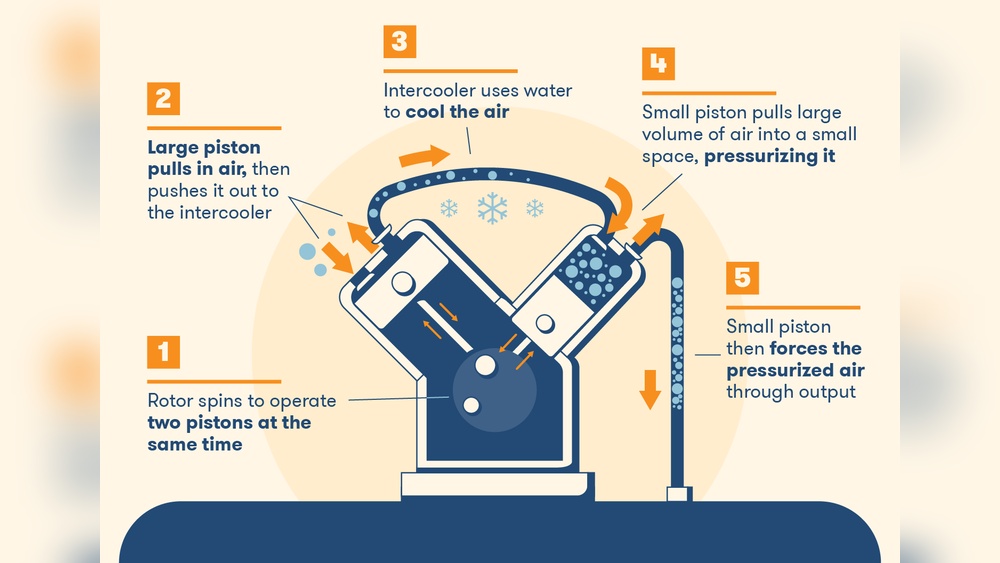
Air compression is the key process that makes a portable air compressor work. It changes air from normal pressure to higher pressure. This process allows the compressor to power tools or inflate tires quickly. Understanding how air compression happens helps you see how this device works.
Intake Process
The compressor starts by pulling air from the outside. A valve opens to let air enter the cylinder. The piston moves down, creating space for air. This step fills the cylinder with fresh air. Clean air intake is crucial for good performance.
Compression Cycle
Next, the piston moves up inside the cylinder. This movement squeezes the air, reducing its volume. Squeezing air raises its pressure and temperature. The valve stays closed to keep air trapped. This compression stores energy in the air.
Air Storage
After compression, the high-pressure air moves to a storage tank. The tank holds the compressed air until needed. It releases air slowly to power tools or inflate objects. A pressure switch controls air release for safety. Stored air makes the compressor ready at any time.
Power Sources Explained
Portable air compressors rely on different power sources to operate. The power source affects where and how you can use the compressor. It also impacts the machine’s size, noise, and run time. Understanding these power options helps you choose the right compressor for your needs.
Electric Models
Electric portable air compressors plug into a power outlet. They run quietly and produce no exhaust fumes. These models work best indoors or near power sources. They are lightweight and easy to carry. However, their use depends on access to electricity.
Gas-powered Units
Gas-powered compressors use gasoline engines to create air pressure. They do not need an electrical outlet. These units work well outdoors and in remote areas. They are usually louder and heavier than electric models. Their run time depends on the fuel tank size.
Battery Operated Options
Battery operated compressors use rechargeable batteries for power. They offer great portability without cords or fuel. These models are quiet and easy to carry. Their run time is limited by battery capacity. Ideal for small tasks and quick jobs.
Credit: comforttemp.com
Key Features To Consider
Choosing the right portable air compressor means knowing its main features. These features affect how well the compressor works for your needs. Understanding these points helps you pick the best model. Focus on portability, pressure, and tank size for a clear choice.
Portability Factors
Portability means how easy it is to carry and move the compressor. Weight is important. A lighter model is easier to take anywhere. Size also matters. Compact compressors fit in small spaces and are easy to store. Some have handles or wheels to help with moving. Think about where you will use it most.
Pressure Ratings
Pressure rating shows how much air force the compressor can deliver. It is measured in PSI (pounds per square inch). Different tools need different PSI levels. A higher PSI handles tougher jobs. Check the PSI to match the tools you plan to use. Too low pressure means the tool won’t work well.
Tank Sizes
The tank holds the compressed air. Sizes vary from small to large. A bigger tank stores more air for longer use. Small tanks fill up fast but empty quickly too. Choose a tank size based on how long and hard you will work. Larger tanks suit long projects better.
Maintenance Tips
Proper maintenance keeps your portable air compressor working well. It helps avoid problems and extends the tool’s life. Regular care ensures safety and steady performance. Follow these simple tips to maintain your compressor easily.
Regular Inspections
Check your air compressor often for any damage or wear. Look for loose parts, cracks, or leaks. Catching issues early prevents bigger problems. Inspect hoses and connections for tightness and cracks. Keep the unit clean and free from dust. A quick check before use saves time and money.
Filter Cleaning
Air filters stop dirt and dust from entering the compressor. Clean the filter regularly to keep air flow steady. Remove the filter and tap out dust gently. Wash it with warm water and mild soap if very dirty. Let the filter dry completely before putting it back. Clean filters improve efficiency and protect the motor.
Lubrication Needs
Some portable air compressors need oil to run smoothly. Check the oil level often and add more if low. Use the type of oil recommended in the manual. Change the oil after the first 20 hours of use, then every 100 hours. Proper lubrication reduces friction and prevents damage. Not all compressors need oil; check your model.

Credit: www.bigrentz.com
Safety Precautions
Using a portable air compressor safely protects both you and the machine. Understanding safety precautions helps avoid injuries and damage. Simple steps can keep your work smooth and secure. Focus on handling, pressure limits, and storage for best results.
Handling And Operation
Always read the user manual before starting. Use the compressor on a flat, stable surface. Wear safety glasses and gloves during operation. Keep hands and tools away from moving parts. Do not touch hot surfaces after use. Turn off the compressor before making adjustments. Avoid overreaching or awkward positions while working.
Pressure Limits
Check the maximum pressure rating on your compressor. Never exceed the recommended pressure level. Use a pressure gauge to monitor air pressure constantly. Release air slowly to prevent sudden bursts. Avoid connecting tools that require higher pressure than your compressor delivers. Overpressure can cause hose bursts or equipment damage.
Storage Guidelines
Drain the air tank after each use to stop moisture build-up. Store the compressor in a dry, cool place away from direct sunlight. Keep it covered to protect from dust and debris. Disconnect power and release all air before storing. Regularly inspect hoses and fittings for wear or cracks. Proper storage extends the compressor’s life and keeps it ready for use.
Frequently Asked Questions
What Powers A Portable Air Compressor?
A portable air compressor is usually powered by electricity, a gas engine, or a battery. These power sources drive the motor to compress air efficiently.
How Does A Portable Air Compressor Compress Air?
It uses a motor-driven piston or rotary mechanism to reduce air volume. This increases air pressure stored in a tank for use.
What Are Common Uses Of Portable Air Compressors?
They inflate tires, power air tools, spray paint, and clean surfaces. Their portability makes them ideal for home, automotive, and construction tasks.
How Is Air Pressure Regulated In Compressors?
Pressure switches monitor tank pressure and stop the motor when desired levels are reached. This prevents over-pressurization and ensures safe operation.
Conclusion
A portable air compressor pushes air into a tank. It uses a motor to drive a pump. The pump squeezes air, increasing its pressure. This stored air powers tools or inflates tires. Small size makes it easy to carry anywhere.
Understanding its parts helps you use it right. It saves time and effort on many tasks. Keep it clean and check oil often. This simple machine works quietly and fast. Portable air compressors help with jobs big or small.