
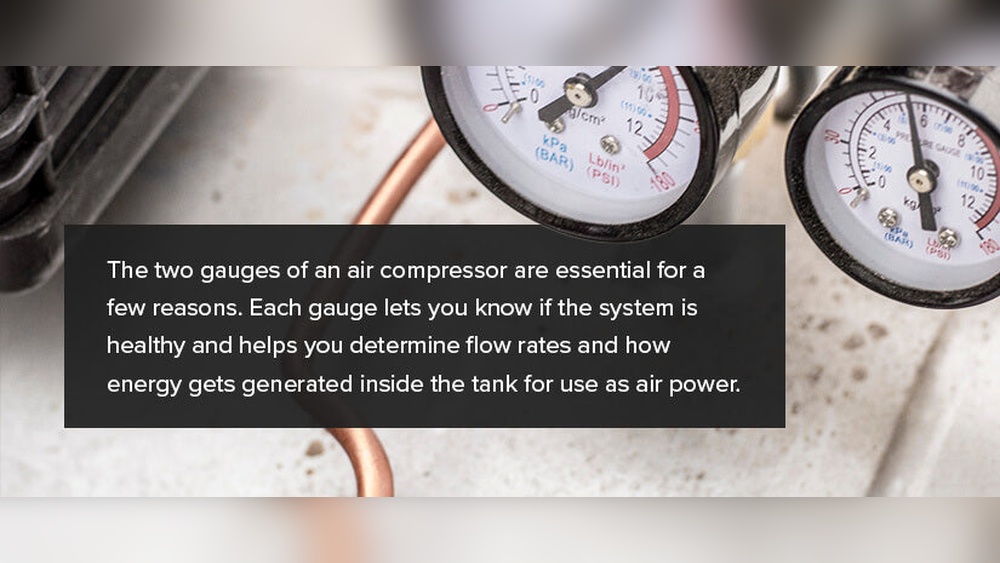
Have you ever looked at your air compressor and wondered what those two gauges really mean? Understanding these gauges is key to getting the best performance from your tool and keeping it safe to use.
You’ll discover exactly what each gauge shows and why it matters for your projects. By the time you finish reading, you’ll feel confident handling your air compressor like a pro. Keep reading to unlock the simple secrets behind those two important dials.

Credit: www.compressorshop.co.uk
Types Of Gauges On Air Compressors
Air compressors have two main gauges. These gauges help you monitor the machine’s performance. Understanding these gauges is key for safe and effective use.
Each gauge shows different pressure levels. Both are important for different reasons. Knowing what each gauge means helps you work better.
Pressure Gauge
The pressure gauge shows the air pressure going out of the compressor. It tells you how much pressure is ready to power tools. This gauge helps keep the pressure at the right level. Too high or too low pressure can harm tools or work quality.
Tank Gauge
The tank gauge shows the pressure inside the air tank. It tells you how much air is stored. This pressure builds as the compressor runs. Watching this gauge helps avoid overfilling the tank. It also shows when the compressor needs to build more air.
Role Of The Pressure Gauge
The pressure gauge on an air compressor plays a crucial role. It tells you how much pressure the compressor is producing. This information helps you control the air pressure for different tasks. Without the pressure gauge, it is hard to know if the compressor is working correctly.
Measuring Output Pressure
The pressure gauge shows the air pressure inside the tank. This is called output pressure. It helps you see if the compressor is delivering the right amount of pressure. Different tools need different pressures. The gauge helps adjust the pressure to match the tool’s needs. This ensures the tool works well and does not get damaged.
Ensuring Safety Levels
The pressure gauge also helps keep the compressor safe. It shows if the pressure is too high. Too much pressure can cause the tank to burst. The gauge alerts you to stop the compressor or release pressure. This prevents accidents and damage. Watching the pressure gauge is important for safe use of the air compressor.
Role Of The Tank Gauge
The tank gauge plays a crucial role in an air compressor’s operation. It shows the amount of air pressure inside the tank. This information helps users work safely and efficiently. Understanding the tank gauge can prevent damage to tools and the compressor itself.
Monitoring Tank Pressure
The tank gauge lets you see the exact pressure inside the tank. Pressure is measured in pounds per square inch (PSI). Keeping an eye on this number is important. It tells you when the tank is full or needs more air. Too much pressure can be dangerous. Too little pressure means the tools may not work well.
Indicating Compressor Status
The tank gauge also shows if the compressor is running correctly. If the pressure stays steady, the compressor is working fine. If the pressure drops quickly, there might be a leak or problem. Watching the gauge helps catch issues early. This saves time and money on repairs.
How To Read Air Compressor Gauges
Understanding how to read air compressor gauges is essential for safe and efficient operation. These gauges provide important information about the air pressure inside the tank and the pressure being delivered. Knowing how to read them helps you avoid damage and maintain the right pressure for your tools.
Gauge Scale And Units
Air compressor gauges usually show pressure in pounds per square inch (PSI). Some may also display pressure in bars or kilopascals (kPa). The scale is marked with numbers and a needle that points to the current pressure level. Read the number where the needle stops to know the pressure.
The two main gauges are the tank pressure gauge and the regulated pressure gauge. The tank gauge shows the air pressure inside the tank. The regulated gauge shows the pressure sent to your tool. Both gauges use the same scale and units.
Normal Pressure Ranges
Most air compressors operate between 90 and 150 PSI. The tank pressure gauge usually shows pressure near the maximum, often around 120 PSI. The regulated gauge can be adjusted depending on the tool’s needs.
For example, nail guns often need 70 to 90 PSI, while spray guns may require 40 to 60 PSI. Always check your tool’s manual for the correct pressure. Keep the pressure within safe limits to avoid damage or poor performance.
Common Issues With Air Compressor Gauges
Air compressor gauges help monitor pressure levels. Two common gauges measure tank pressure and output pressure. These gauges must work well for safe and effective operation. Common problems with gauges can cause wrong readings or stop working. Knowing these issues helps keep your air compressor running smoothly.
Inaccurate Readings
Inaccurate readings happen when gauges show wrong pressure. Dirt or dust inside the gauge can block the needle. A damaged or bent needle also causes false readings. Temperature changes may affect gauge accuracy. Old gauges lose precision over time. Wrong readings can lead to unsafe pressure levels or poor tool performance.
Gauge Malfunctions
Gauge malfunctions occur when the gauge stops working. Broken glass or cracked casing lets moisture in. Moisture can damage internal parts. Leaks in the gauge connection cause pressure loss. A stuck needle means the gauge does not move. Faulty gauges need repair or replacement to ensure safety.
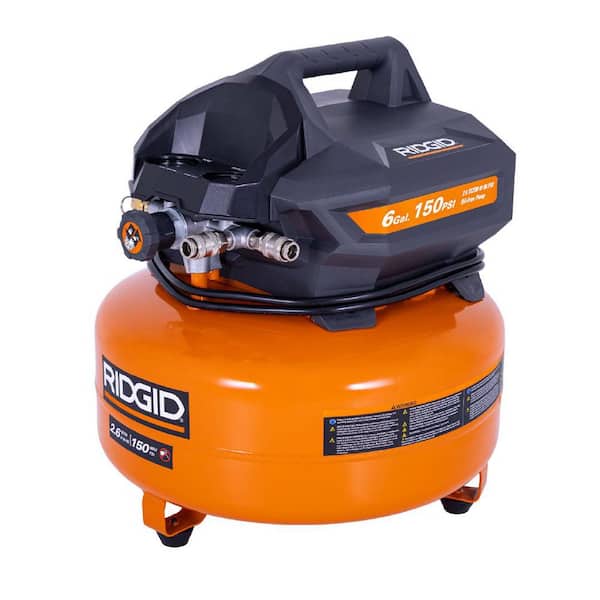
Credit: www.homedepot.com
Maintaining And Calibrating Gauges
Maintaining and calibrating the gauges on an air compressor is essential. Proper care ensures accurate pressure readings. This helps keep your equipment safe and efficient. Regular attention prevents costly repairs and downtime. Simple steps can extend the life of your gauges.
Routine Checks
Check your gauges often for cracks or damage. Look for signs of wear or leaks. Clean the glass face gently to keep readings clear. Listen for unusual sounds when the compressor runs. Replace any gauge that shows inconsistent numbers. Regular checks catch small problems early.
Calibration Tips
Calibrate gauges to keep pressure readings accurate. Use a trusted reference gauge or calibration tool. Follow the manufacturer’s instructions carefully for best results. Adjust the needle until it matches the reference pressure. Do this calibration at least once a year. Proper calibration ensures your compressor runs safely and correctly.

Credit: compressor-source.com
Frequently Asked Questions
What Do The Two Gauges On An Air Compressor Indicate?
The two gauges show tank pressure and regulated output pressure. Tank pressure measures stored air, while regulated pressure controls tool use. Both are essential for safe and efficient compressor operation.
Why Is The Tank Pressure Gauge Important?
The tank pressure gauge shows how much air is stored. It helps monitor if the compressor is ready to supply air. Keeping tank pressure within limits prevents damage and ensures consistent performance.
How Does The Regulated Pressure Gauge Help Users?
The regulated gauge controls air pressure delivered to tools. Adjusting it matches pressure to tool requirements. This prevents tool damage and optimizes performance during work.
Can The Air Compressor Work Without These Gauges?
No, gauges provide critical pressure information. Without them, users risk over-pressurizing or underusing the compressor. Gauges ensure safe operation and accurate pressure control.
Conclusion
The two gauges on an air compressor show important information. One gauge measures the tank pressure. The other shows the pressure going to your tool. Watching both helps you work safely and well. It also keeps the compressor in good shape.
Knowing these gauges makes using the compressor easier. You get better results and avoid damage. Always check the gauges before starting your job. This small step saves time and effort. Understanding these two gauges is key for every user. Simple and clear readings guide your work perfectly.